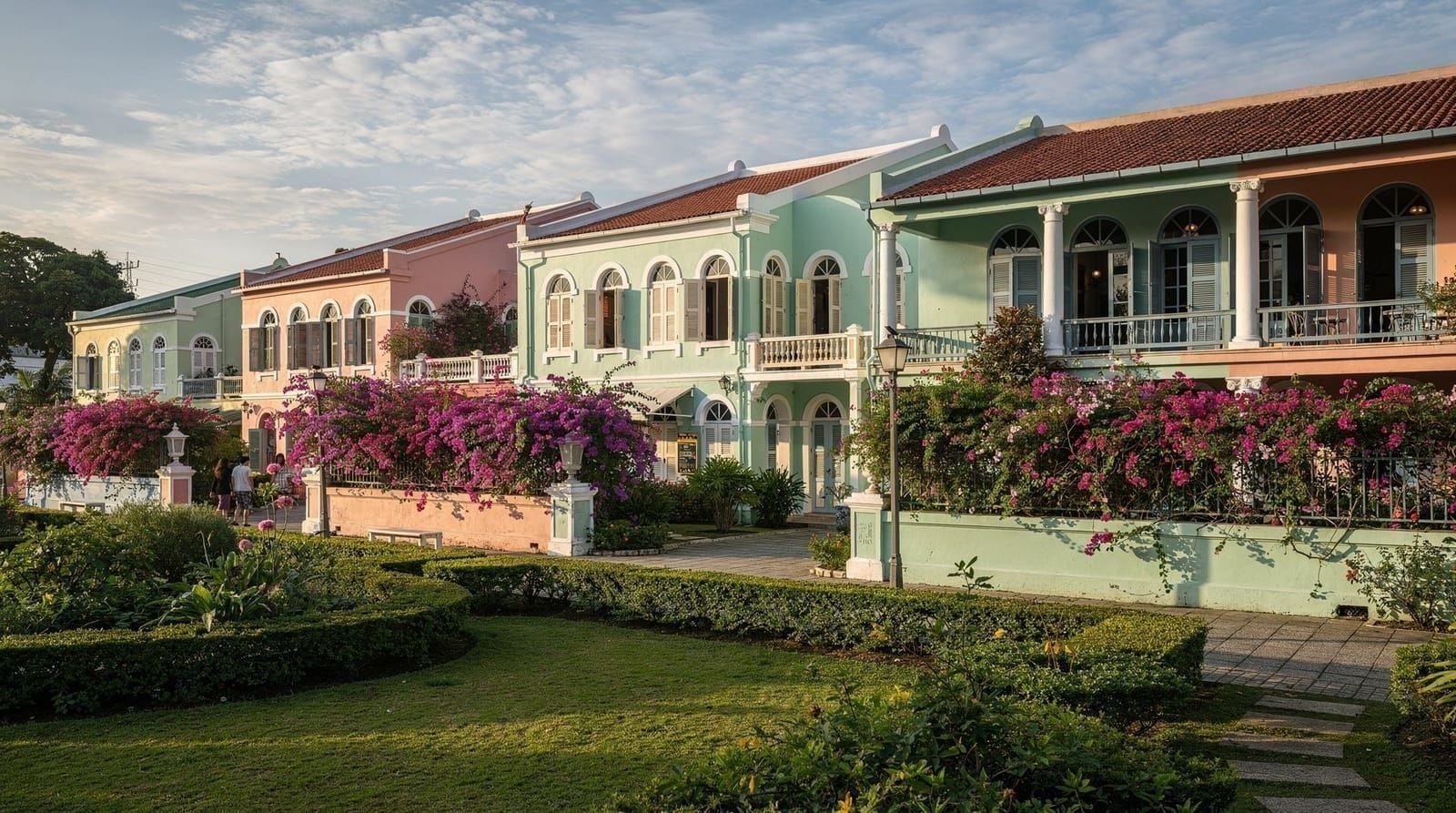
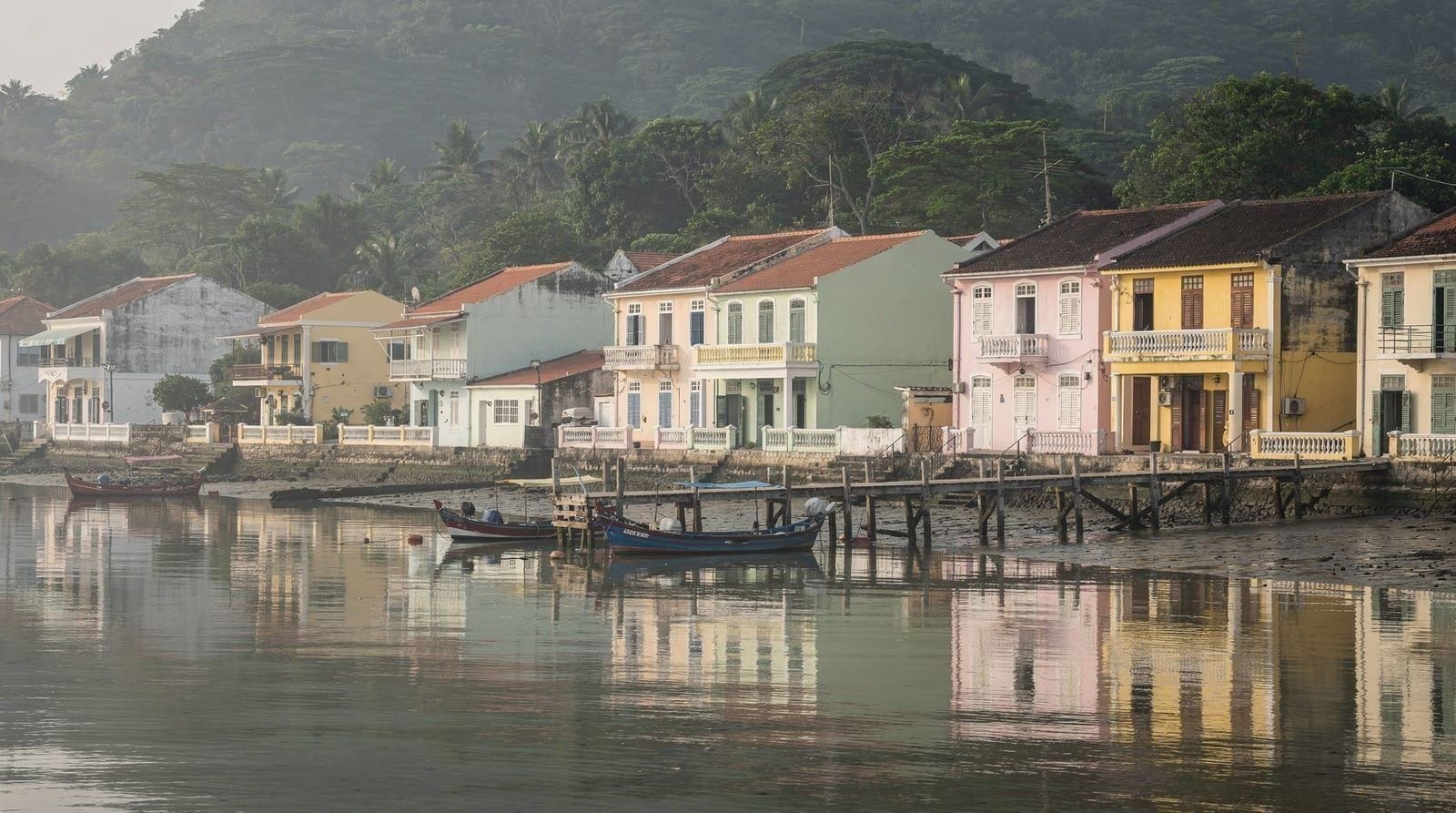
Macau and Hong Kong 4-day itinerary
Macau: Macau Tower Observation Deck Ticket
- Instant confirmation
- Free cancellation
Quick answer: A 4-day Macau–Hong Kong combination is one of the best regional trips in Asia. The two cities are 60 km apart and connected by a 1-hour ferry or 45-minute HZMB bridge crossing. Split two days in each city: Macau for UNESCO heritage, Coloane, and Cotai; Hong Kong for Kowloon, the Peak, and harbour. Total realistic cost (excluding flights): HKD 4,000–8,000 per person (USD 510–1,025), depending heavily on accommodation choices.
| Where | Macau (Peninsula, Taipa, Coloane, Cotai) + Hong Kong (Kowloon, Central, islands) |
| Cost | around HKD 4,000–8,000/USD 510–1,025 per person, excl. flights |
| Time needed | 4 full days, 2 per city |
| Getting there | ferry (~1 hr) or HZMB bridge bus (~45 min) between the two cities |
| Best time | October–November, dry and mild in both cities |
Why combine Macau and Hong Kong?
These two cities were both administered by European powers and returned to China within two years of each other (Macau in 1999, Hong Kong in 1997). Their characters are completely different despite the proximity: Hong Kong is dense, vertical, relentlessly modern, and Cantonese; Macau is layered, lower, quieter, and profoundly Portuguese-Chinese in a way that takes time to understand. Seeing both in four days gives you the contrast that makes each place more legible.
Logistically, the trip is easy. The ferry runs hourly from multiple terminals; the HZMB bus crosses every few minutes. English is widely spoken in both cities. You can fly into one and out of the other without paying change fees if you book open-jaw tickets.
Read our detailed comparison in Macau vs Hong Kong and our guide to getting to Macau from Hong Kong.
Which city should get the extra day if you only have three?
If a fourth day isn’t possible, give the extra day to Macau — its highlights (UNESCO centre, Coloane, Cotai) are more compact and easier to rush without losing the point, whereas Hong Kong genuinely needs two full days to cover Kowloon, the Peak, and even one outlying island. A tighter Macau-only version is in our 3-day Macau itinerary if you decide to drop Hong Kong from this trip entirely.
Day 1: Arrive in Macau — UNESCO Historic Centre
Start in Macau (Days 1–2)
We recommend starting in Macau, which is quieter, easier to navigate, and gives you the Portuguese-Chinese culture shock first. Hong Kong then feels like a gear change — bigger, faster, more international. If your flight arrives in Hong Kong, the Macau crossing is fast enough to do on Day 1.
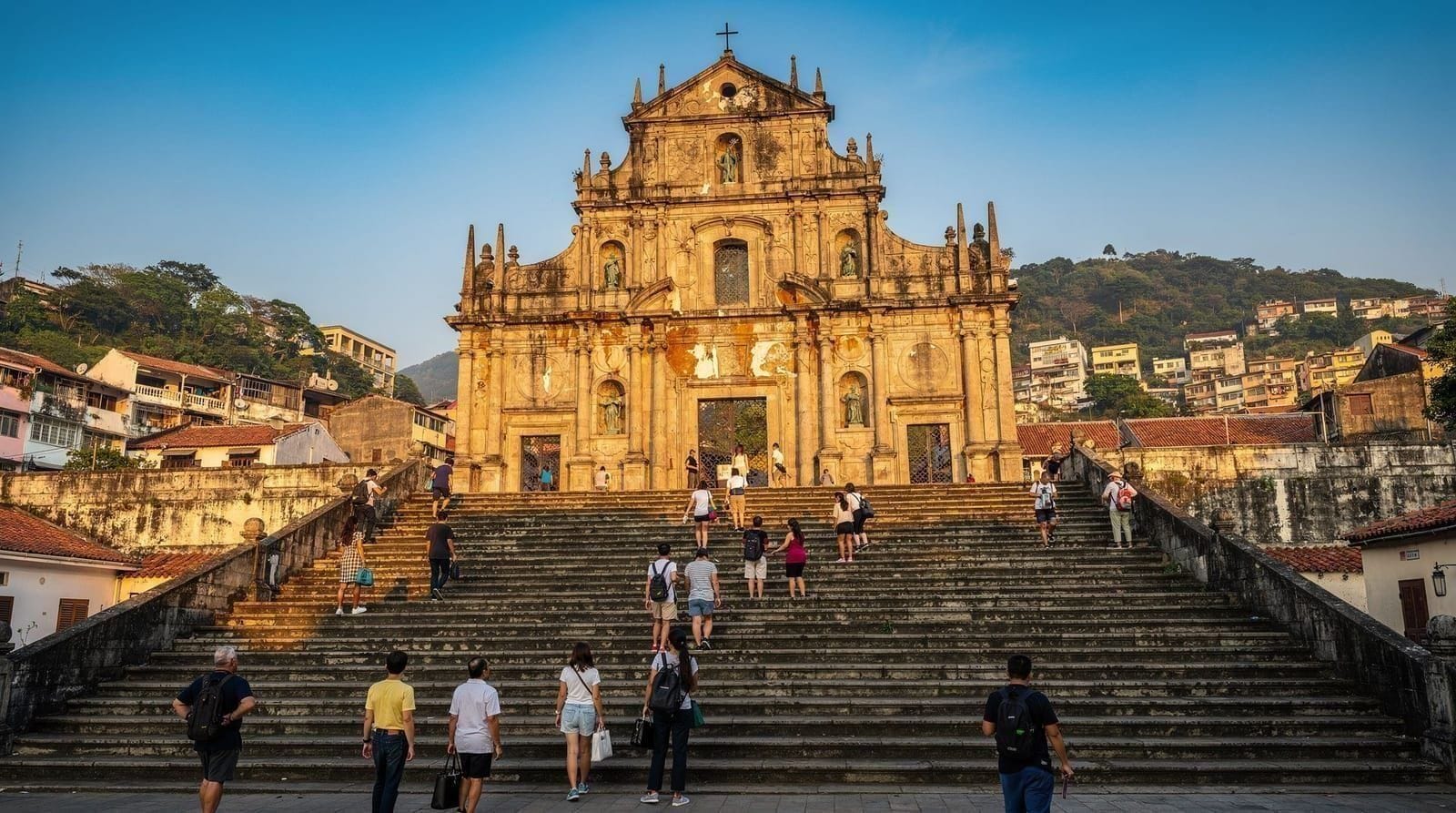
9:00 — Ruins of St Paul’s and Mount Fortress
Arrive at the Outer Harbour Ferry Terminal by 9 am and take a taxi to the historic centre (MOP 30–40/USD 3.70–5).
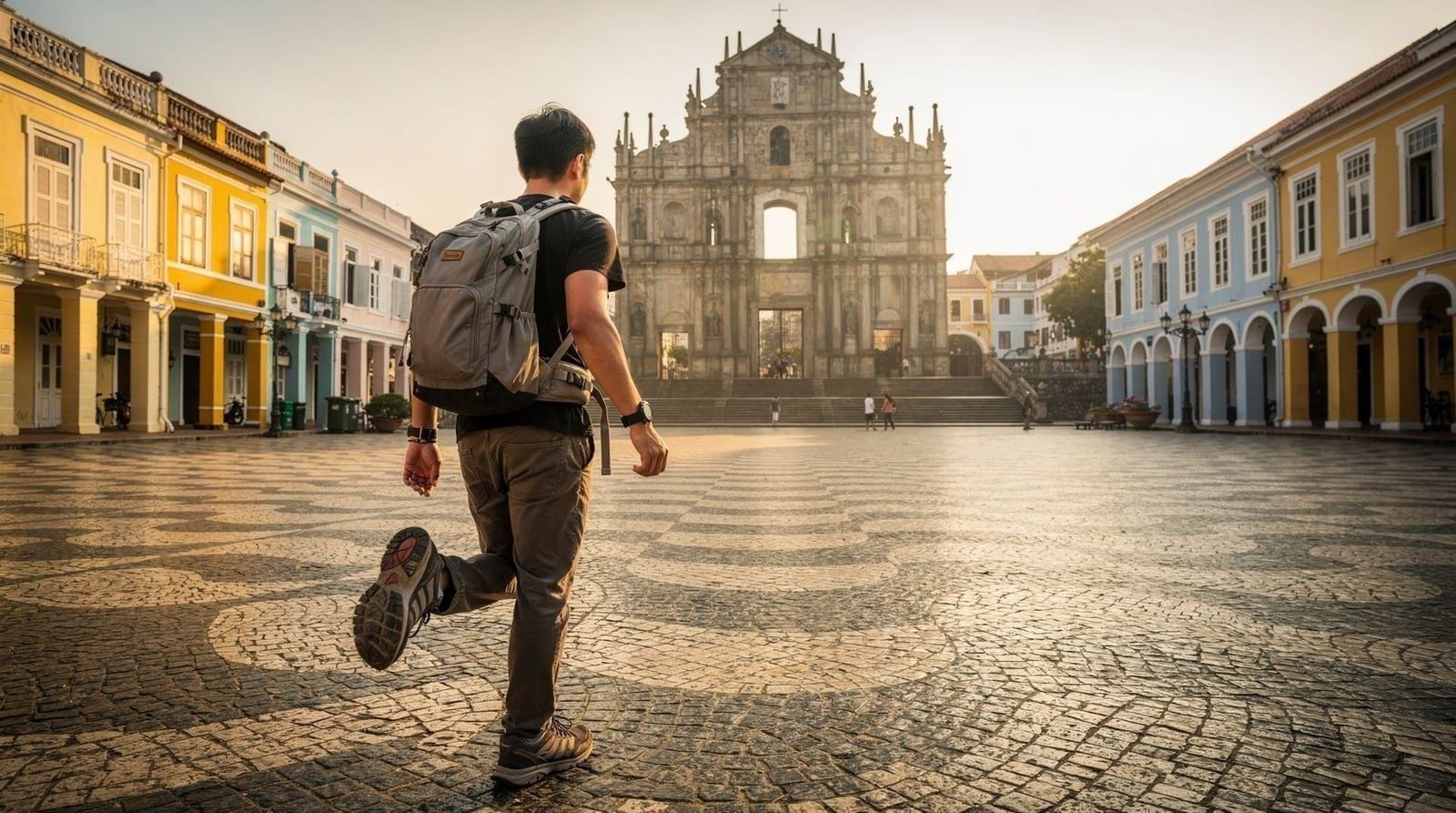
The ruins of St Paul’s is the obligatory start — the 1637 stone facade is genuinely beautiful and the crypt museum beneath takes 20 minutes. From there, walk up to Mount Fortress for the city overview and the Macau Museum (MOP 15/USD 1.90 adults).
Cost: Museum MOP 15; ruins and fortress free
Time: 90–120 minutes
11:00 — Senado Square and the Historic Centre
Senado Square is the centre of the UNESCO Historic Centre — 30 UNESCO-listed buildings within walking distance. Walk the adjacent streets slowly: the Churches of St Dominic and St Augustine are both architecturally remarkable and free. Stop for an egg tart (MOP 8–11).
13:00 — Lunch on the Peninsula
Restaurante Litoral (Rua do Almirante Sérgio) for proper Macanese cuisine at MOP 130–200 pp/USD 16–25. The African chicken and caldo verde are the right introduction to Macanese cooking.
14:30 — A-Ma Temple
A-Ma Temple (circa 1488) is Macau’s oldest surviving building and the origin of the city’s name. Free, 30–40 minutes.
15:30 — Taipa Village
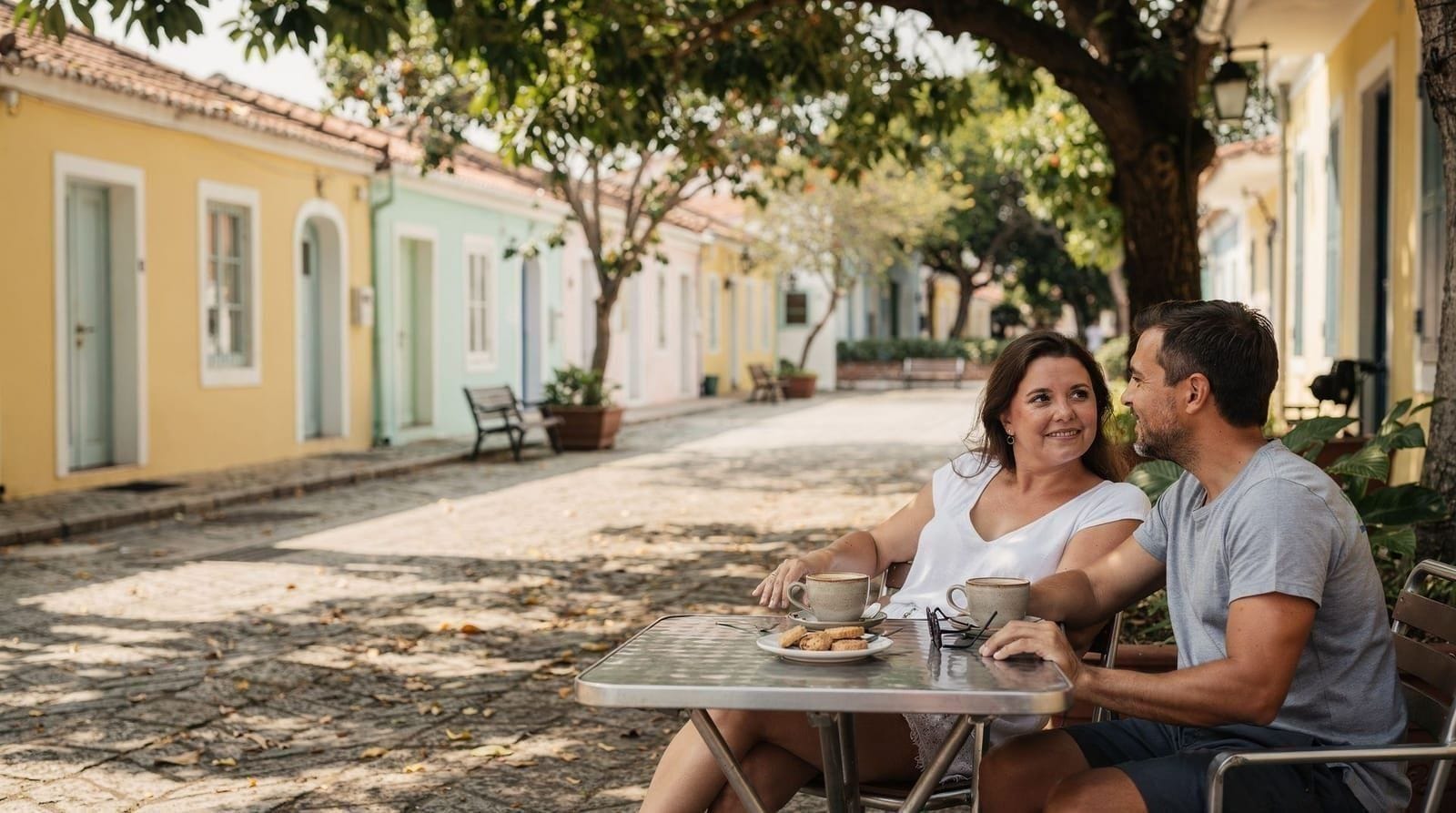
Taxi to Taipa Village (MOP 50–70). Spend the late afternoon walking the colonial streets, buying almond cookies and beef jerky on Rua do Cunha, and settling into the pace of the city.
18:30 — Dinner in Taipa Village
A Petisqueira or Restaurante Esplanda for Macanese food (MOP 140–220 pp). This is your best opportunity for African chicken, bacalhau, and tamarind pork — dishes that are specific to Macau’s cuisine and unavailable in Hong Kong.
Day 2: Coloane, Macau Tower, and the Cotai Strip
8:30 — Lord Stow’s Bakery, Coloane
Taxi to Coloane Village (MOP 90–140/USD 11–17). Lord Stow’s Bakery opens at 7 am; the morning batch is worth the early taxi. MOP 10/USD 1.25 per tart. Walk the village square and Chapel of St Francis Xavier (10 minutes).
10:00 — Seac Pai Van Park and Giant Pandas
Macau’s Giant Panda Pavilion is free and worth 45 minutes. Morning feeding session is usually 9–11 am.
11:30 — Hac Sa Beach and Fernando’s lunch
Taxi to Coloane’s Black Sand Beach. Lunch at Fernando’s (cash only, no reservations): roast suckling pig, clams, and beer. MOP 220–350 pp/USD 27–43. Book early in the day by arriving before the lunch rush.
14:00 — Macau Tower
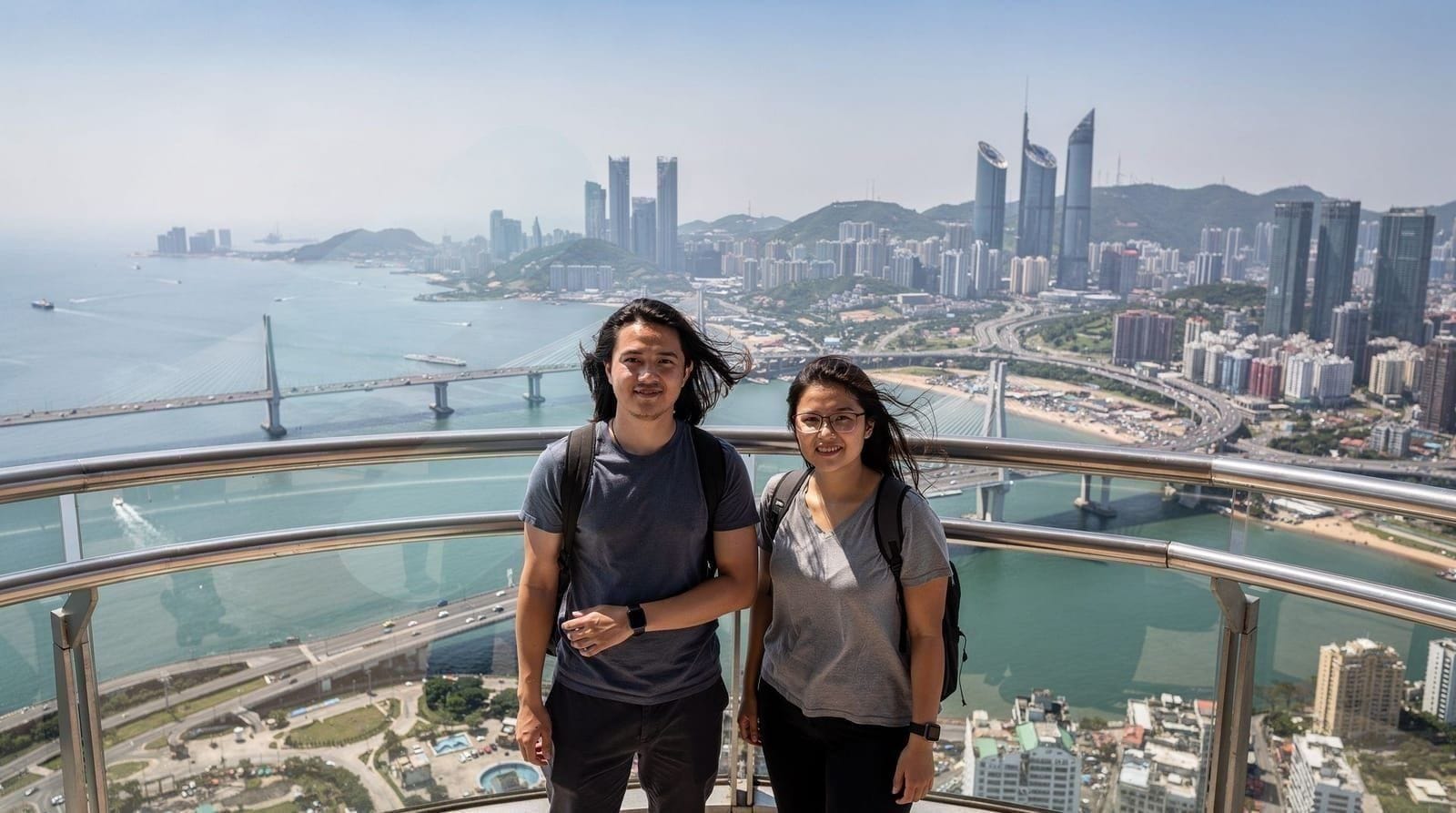
Taxi from Coloane to Macau Tower (15–20 minutes, MOP 60–100). Observation deck on Level 58 is MOP 145/USD 18. The 360-degree view showing both the historic peninsula and the reclaimed Cotai land simultaneously is genuinely striking.
Macau Tower observation deck — skip the ticket queue16:00 — The Cotai Strip
Free shuttle from Macau Tower to the Cotai Strip. Spend the afternoon at the Venetian (free to walk the Grand Canal), the Parisian (half-scale Eiffel Tower), and City of Dreams (Morpheus building facade by Zaha Hadid — free to photograph).
Venetian gondola ride — 10 minutes on the indoor canal19:30 — Farewell dinner in Macau
Your last Macau meal: either return to Taipa Village for a second restaurant (the village has 15+ decent options), or try Zi Yat Heen at the Four Seasons Cotai for high-end Cantonese dim sum at dinner (MOP 300–500 pp/USD 37–62).
Pack tonight for the Hong Kong crossing tomorrow morning.
Day 3: Cross to Hong Kong — Kowloon and harbour
9:00 — Ferry or HZMB from Macau to Hong Kong
The TurboJET ferry from the Outer Harbour Terminal to the Hong Kong Macau Ferry Terminal in Sheung Wan takes approximately 60 minutes. Cotai Jet from the Taipa Ferry Terminal also serves Hong Kong Airport (useful if your return flight is from HKG).
Booking: Book in advance for weekend departures; weekday morning ferries usually have seats available. See the Macau ferry guide for current schedules and fares (approximately MOP 160–260/HKD 160–260 one way).
Alternatively, the HZMB bridge bus takes 40–45 minutes and runs frequently — you cross the bridge (one of the world’s longest sea crossings) between the Macau border at Lotus Bridge and the Hong Kong Passenger Clearance Building at Lantau. Shuttle buses cover the last stretch to Hong Kong city.
Cost: Ferry MOP 160–260 (USD 20–32) each way
For a guided crossing that includes sightseeing from Hong Kong to Macau or vice versa:
Hong Kong to Macau guided day trip — ferry, lunch, UNESCO tourFerry vs HZMB bridge: which crossing to choose
| Ferry (TurboJET/Cotai Jet) | HZMB bridge bus | |
|---|---|---|
| Time | ~60 minutes | ~40–45 minutes |
| Cost | MOP/HKD 160–260 one way | broadly similar, varies by operator |
| Comfort | seated cabin, can feel choppy | coach seating, smoother in bad weather |
| Terminals | central (Sheung Wan, Outer Harbour) | further from city centres, needs a shuttle |
| Best for | simplicity, direct city-centre access | avoiding rough seas, novelty of the bridge |
Neither is objectively better — pick the ferry if you value simplicity and central terminals, or the bridge if you want to experience one of the world’s longest sea crossings and don’t mind an extra shuttle leg.
11:00 — Arrive in Hong Kong: Tsim Sha Tsui (Kowloon)
Check into your Kowloon hotel (TST is the best area for first-timers: central, affordable-to-mid-range hotels, great harbour views). Drop bags and head out.
Star Ferry: Take the iconic Star Ferry from TST pier across to Central (HKD 2.70/USD 0.35) — a 10-minute harbour crossing with one of the best skylines in the world visible from the water. Walk back along the Tsim Sha Tsui promenade.
Avenue of Stars: The Kowloon waterfront promenade has been refurbished and is a pleasant afternoon walk with Bruce Lee statues and harbour views.
13:00 — Lunch in Kowloon
Tim Ho Wan (Mong Kok or Jordan branches): The world’s cheapest Michelin-starred restaurant. Dim sum for HKD 100–200 pp/USD 13–26 for a full meal. Queues are long (30–60 minutes) but move quickly.
Yung Kee on Wellington Street (Central): A Hong Kong institution for roast goose since 1942. HKD 150–300 pp. Worth a taxi from TST.
14:30 — Temple Street Night Market preview and Mong Kok
Walk north from TST into Mong Kok: the densest neighbourhood in Hong Kong and a sensory overload. Ladies’ Market, the Flower Market (Flower Market Road, closes by 7 pm), and the Bird Garden are all within 20 minutes of each other. This is authentic Hong Kong street life — noisy, crowded, and fun.
Temple Street Night Market (opens around 6–7 pm) is one of Hong Kong’s most famous night markets — fortune tellers, Cantonese opera singers, seafood restaurants, and cheaply printed T-shirts. Worth an evening visit.
17:00 — Victoria Peak
Take the Peak Tram from the Central lower terminus (HKD 58 round trip for tram, or HKD 89 combo with Sky Terrace). The Peak Tram (operational since 1888) is the most iconic ride in Hong Kong; the ascent is vertiginous and slow. The view from the Peak at dusk — as the city lights come on across the harbour — is one of the great urban vistas in the world.
Cost: Tram HKD 58 round trip (adults); Sky Terrace HKD 89 combo
20:00 — Dinner in Central or Wan Chai
Kau Kee (Gough Street, Central): Hong Kong’s most famous beef brisket noodles. Queue at the door; cash only; extraordinary. HKD 60–90/USD 7.70–11.50.
Duddell’s (Central): sophisticated Cantonese cuisine in an art-gallery setting. HKD 400–700 pp/USD 51–89. Pre-booking essential.
Wan Chai old streets: The area around Johnston Road and Stone Nullah Lane has neighbourhood dai pai dong (open-air cooked food stalls) still operating — genuinely the best cheap dinner in Hong Kong.
Day 4: Hong Kong — the east side, islands, or Central
Option A: Lantau Island and the Big Buddha (family/culture)
Take the MTR to Tung Chung, then the Ngong Ping Cable Car (HKD 225 round trip/USD 29) to the Lantau plateau. The Big Buddha (Tian Tan Buddha) is a 34-metre bronze statue on a hillside — genuinely impressive in scale. The Po Lin Monastery below serves vegetarian lunch (HKD 60–100) and is a pleasant contrast to the city.
Cost: Cable car HKD 225; monastery lunch HKD 60–100
Option B: Hong Kong Island — Mid-Levels to Sheung Wan
The Central-Mid-Levels escalator (world’s longest outdoor covered escalator system) runs uphill from 10 am to midnight. Walk the escalator lanes to PMQ (Police Married Quarters, now a design market), Hollywood Road (antiques and galleries), and the Man Mo Temple (incense-filled, free). Sheung Wan’s dried seafood market on Des Voeux Road West is a genuine working market — fish maws, dried shrimps, and sea cucumbers piled in sacks.
Option C: Sham Shui Po market neighbourhood (shoppers and photographersli)
Sham Shui Po in northwest Kowloon is Hong Kong’s fabric and electronics market district — blocks of stalls selling buttons, LEDs, circuit boards, fabrics, trimmings, and phone accessories at wholesale prices. The produce market on Apliu Street is one of Hong Kong’s most photogenic street markets.
13:00 — Last lunch in Hong Kong
Lung King Heen at the Four Seasons (Central): The world’s first Chinese restaurant to earn three Michelin stars. Harbour view, Cantonese seafood, dim sum at lunch. Book 3–4 weeks ahead. HKD 600–1,200 pp/USD 77–154.
One Dim Sum (Prince Edward): Two Michelin stars, much more accessible — queue at the door for lunch from 11 am. HKD 120–200 pp.
15:00 — Departure prep
Hong Kong International Airport at Lantau is 30–40 minutes from TST by Airport Express (HKD 110/USD 14). Check-in closes 60 minutes before most flights; the airport is well-organized and usually easy to navigate.
If your flight departs later, the Nathan Road shopping corridor in Kowloon is the best last-minute retail option.
Practical logistics for Macau–Hong Kong in 4 days
Flight options
Fly into Macau, out of Hong Kong (open-jaw): Macau International Airport serves Air Macau and a handful of Asian carriers. Small airport, efficient. The Macau airport guide has current airline options.
Fly into Hong Kong both ways: More airline options; take the ferry or HZMB to Macau and back.
Fly into Hong Kong, take HZMB to Macau, return by ferry: Varied routes; useful if you want to see both crossing types.
Currency
Both cities use their own currency: MOP (Macau Pataca) and HKD (Hong Kong Dollar) trade roughly 1:1 and both are accepted in Macau. HKD is not accepted in Hong Kong shops for MOP. Change currency at the ferry terminals or use ATMs.
Accommodation split
Best base in Macau: Taipa Village (neighbourhood feel, 5 min from Cotai) or Cotai Strip (convenience, mid-range pricing for what you get). Best base in Hong Kong: Tsim Sha Tsui in Kowloon (harbour views, central, range of price points).
Our where to stay in Macau guide covers the Macau side in detail.
4-day budget summary (per person)
| Category | MOP/HKD | USD |
|---|---|---|
| Macau accommodation (2 nights) | MOP 800–3,000 | 100–375 |
| Macau meals (Days 1–2) | MOP 900–1,600 | 112–200 |
| Macau entry fees and taxis | MOP 600–1,000 | 75–124 |
| Ferry crossing | MOP 160–260 | 20–32 |
| Hong Kong accommodation (2 nights) | HKD 800–4,000 | 102–512 |
| Hong Kong transport (MTR, ferry, taxi) | HKD 200–400 | 26–51 |
| Hong Kong meals (Days 3–4) | HKD 600–2,000 | 77–256 |
| Peak Tram, entry fees | HKD 200–400 | 26–51 |
| Total (excl. flights) | — | 538–1,601 |
See Macau travel budget and our Macau day trip from Hong Kong guide for more detailed planning.
Frequently asked questions about the Macau–Hong Kong 4-day trip
Do I need a separate visa for Macau and Hong Kong?
Most nationalities that get visa-free entry to Hong Kong also get visa-free entry to Macau, but the two are separate immigration territories (both Special Administrative Regions of China) and you’ll clear border control each time you cross, even by ferry or bridge. Check your specific nationality’s requirements for both before travelling — the rules don’t always match.
Is four days too rushed for both cities?
It’s tight but workable if you accept you won’t see everything in either city. Two days per city covers the essentials without feeling like a checklist sprint. If you’d rather go deeper into one city, consider a 3-day Macau-only itinerary or extending to five or six days total for this combined trip.