Macau tourist traps to avoid (and what to do instead)
What are the biggest tourist traps in Macau?
The worst offenders are ferry terminal touts bundling mandatory shopping stops, restaurants near Ruins of St. Paul's charging 2-3x local prices, and money changers advertising '0% commission' while hiding the markup in terrible exchange rates. Knowing these in advance costs you nothing and saves real money.
Macau is genuinely one of the most visitor-friendly cities in Asia. It has low crime, straightforward navigation, and a tourism infrastructure that mostly works in your favour. But “low crime” is not the same as “no one will take advantage of you,” and a handful of specific traps catch first-time visitors reliably enough that they deserve a direct, detailed warning.
This guide covers 11 traps in order of how commonly they affect tourists, with concrete “what to do instead” advice for each one. None of this is speculation — these patterns are reported consistently by travellers and documented by Macau’s consumer protection authorities.
| Where traps cluster | Ferry terminals, HZMB border, streets around Ruins of St Paul’s |
| Typical cost of falling for one | MOP 40–3,000 depending on the trap |
| Best single defence | Pre-book transport/tours before arrival |
| Emergency numbers | DSAT 28 866 363 (taxis) · Police 999 |
| Overall risk level | Low — these are financial, not safety, risks |
The 11 traps ranked by how much they can cost you
| # | Trap | Typical loss | Category |
|---|---|---|---|
| 1 | Ferry terminal tour touts | MOP 1,500–3,000 | Transport |
| 2 | Fake free shuttle “assistance” | MOP 50–100 | Transport |
| 3 | Pre-paid border tour buses | 2–3 hrs lost + shopping pressure | Transport |
| 4 | Ruins of St Paul’s restaurants | 2–3x local pricing | Food |
| 5 | Casino dining | MOP 100–300 premium | Food |
| 6 | Copycat egg tart vendors | MOP 10–15 per tart | Food |
| 7 | Deceptive money changers | 2–4% of every exchange | Money |
| 8 | Casino chip tricks | MOP 200–1,000+ | Money |
| 9 | ”Winning system” sellers | MOP 200–500 | Money |
| 10 | Temple “photography fees” | MOP 20–50 | Shopping/activity |
| 11 | Portuguese product markups | Variable | Shopping/activity |
Transport traps: where the money gets taken before you’ve even seen the city
1. Ferry terminal touts
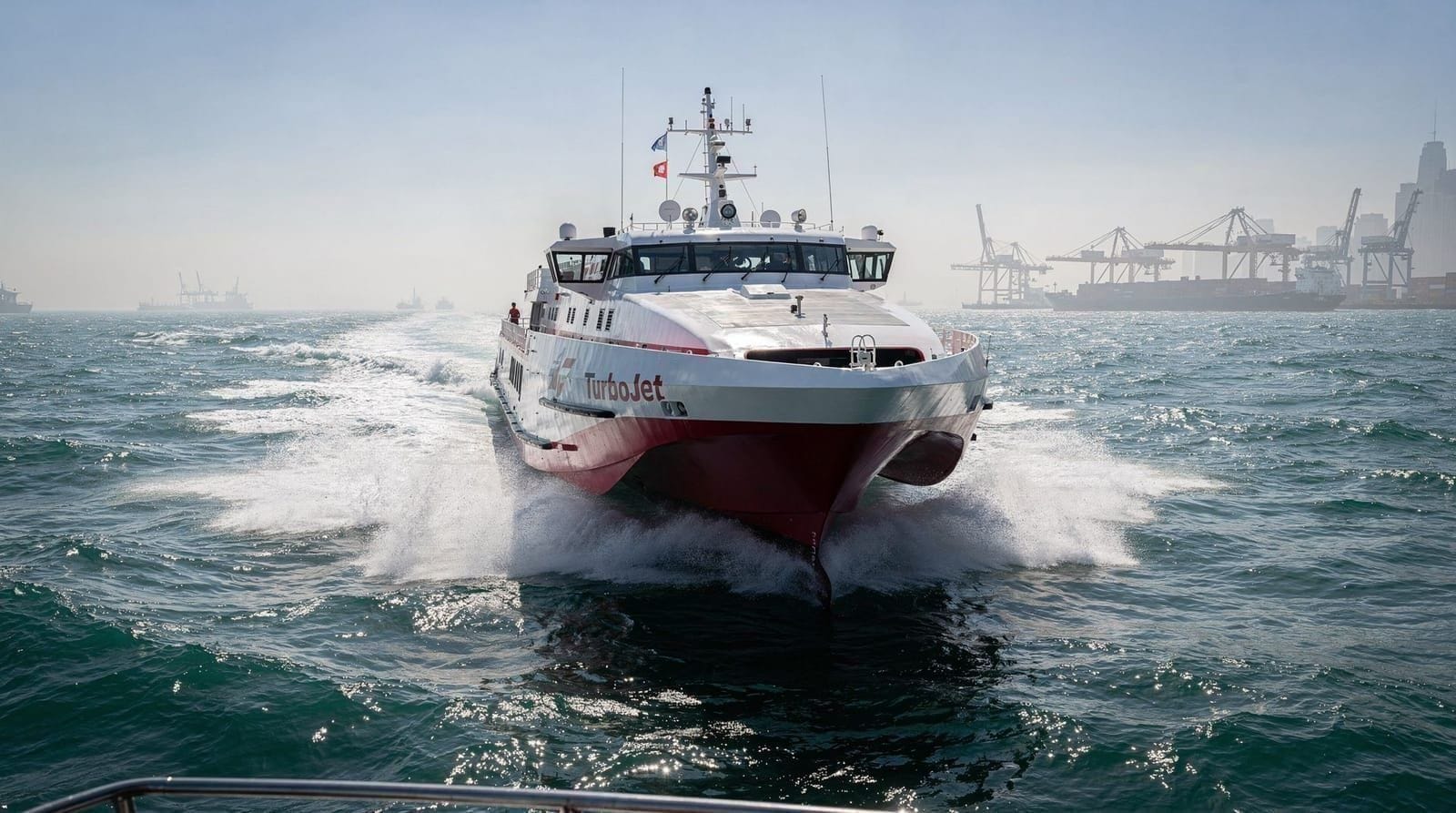
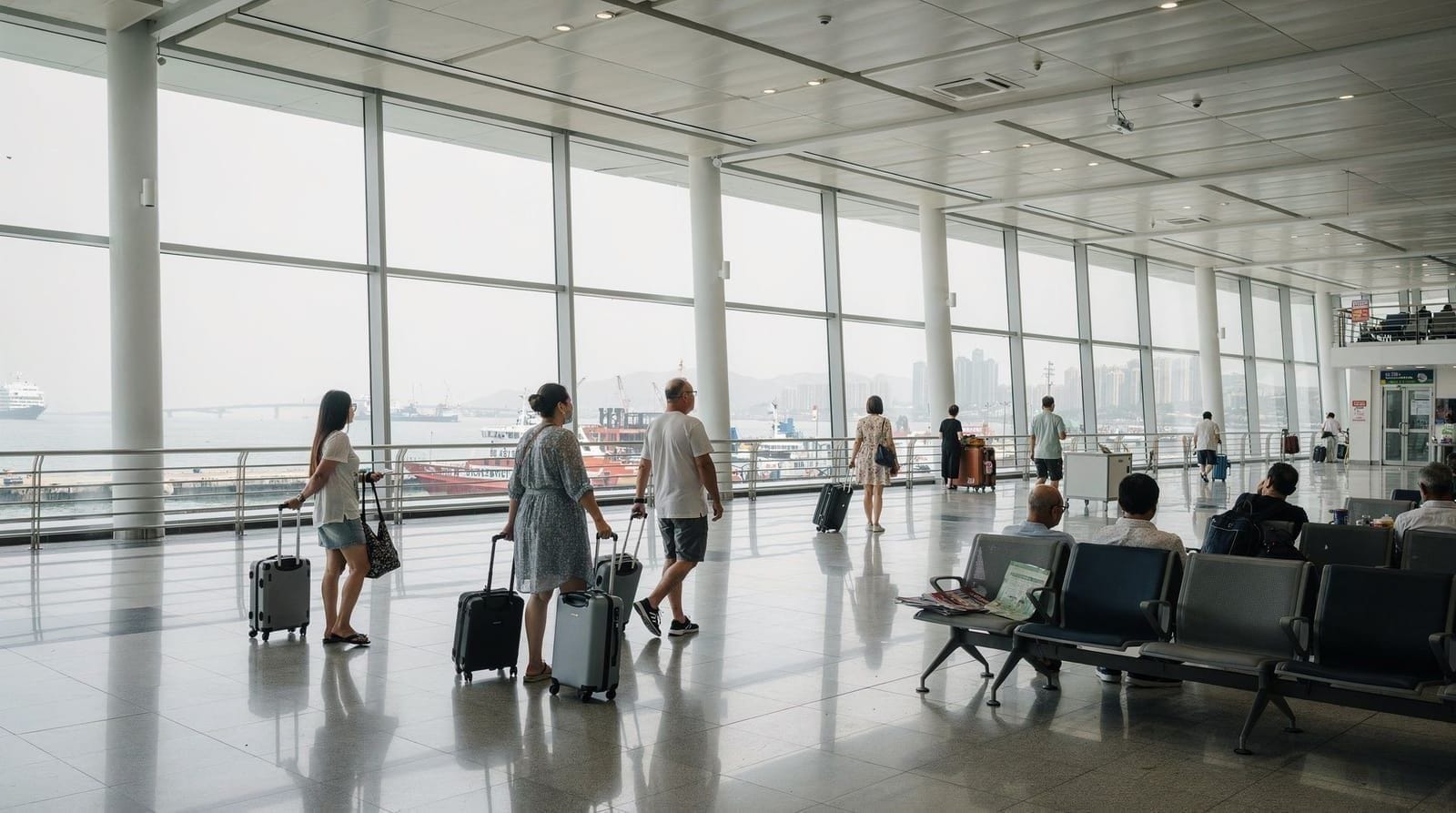
Both major arrival points — the Outer Harbour terminal on the Macau Peninsula and the Taipa ferry terminal (the newer one that handles most Hong Kong ferries) — have touts working the arrivals hall.
Their pitch varies but follows a pattern: they offer “free tours,” “discounted combo packages,” or “cheap transport to your hotel.” The deals sound reasonable, sometimes genuinely good. They are not.
The business model works like this: the tour price is subsidised by commissions from jewellery shops, traditional medicine wholesalers, and “cultural experience” venues that are really retail operations. You will spend 30-45 minutes at each mandatory stop being subjected to high-pressure sales tactics. The salespeople are professionals. Some tourists come away having spent MOP 1,500-3,000 (USD 185-370) on items they didn’t want.
What to do instead: Pre-book any tours you want before arriving. Reliable booking platforms like Klook list verified operators with clear itineraries — see the booking Macau tours guide for a comparison. At the terminals, walk past the touts to the taxi rank or the free casino shuttle stops. If someone is very persistent, “I have a booking already, thank you” ends most conversations.
2. Fake free shuttle buses
Macau’s casinos run genuinely free shuttle buses from the ferry terminals and the border crossing to their properties. The Venetian, Grand Lisboa, MGM, Wynn, Sands, Galaxy — all operate free services on regular schedules. These are a legitimate and excellent way to get around, especially since getting around Macau by public bus requires more planning.
The trap: touts position themselves near the legitimate shuttle stops and offer to “help” you board for a fee, or direct you to a paid minivan alternative that looks similar from the outside. Some even collect money on behalf of shuttles that turn out to be, in fact, free.
What to do instead: The genuine casino shuttles are always free, always branded with the casino’s logo, and depart from fixed, clearly marked stops inside or immediately outside the terminals. Do not pay anyone for boarding assistance. Do not follow anyone to a “different stop around the corner.”
3. Pre-paid tour buses near the border
If you’re arriving via the Hong Kong-Zhuhai-Macau Bridge (HZMB) and crossing at the Macau border gate, you’ll encounter people selling pre-paid tickets for “all-inclusive Macau tours.” The same applies at the Gongbei border crossing if you’ve come through Zhuhai.
These tours look cheap. They’re priced to attract, and the tour operator makes their money back through shopping commissions and time-limited schedules that prevent you from exploring freely. For a short Macau visit, losing three hours to mandatory retail stops is a significant cost.
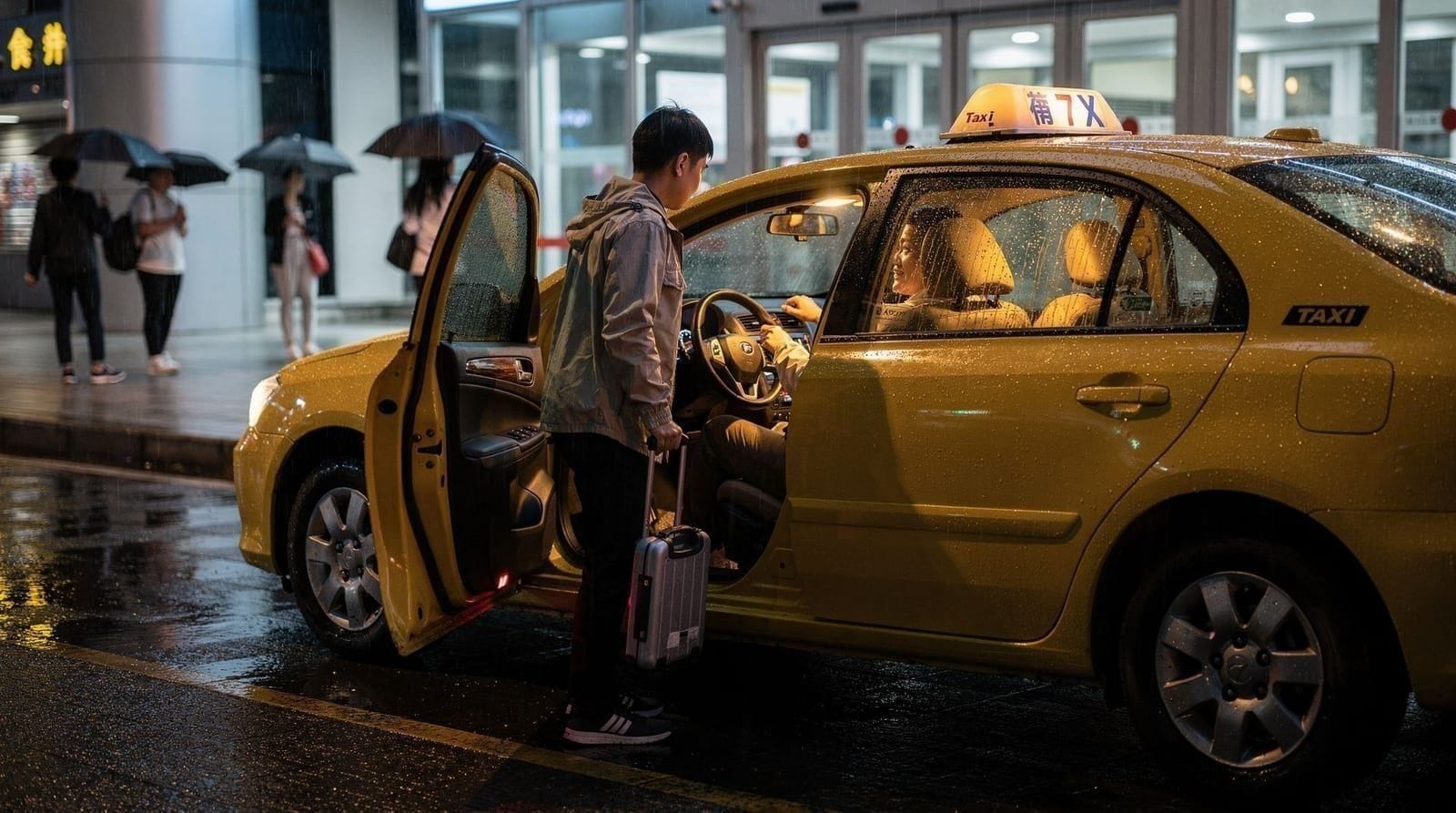
What to do instead: Take the official shuttle or a metered taxi to your accommodation. Plan your own itinerary — Macau’s historic centre is compact and self-guided walking tours work well. If you want a structured tour, book it digitally in advance.
For more on taxi scams specifically — meter refusal, unlicensed taxis, and how to complain — see the dedicated Macau taxi and money scams guide.
Food traps: paying tourist prices for local food
4. Restaurants around Ruins of St. Paul’s
The streets immediately surrounding the Ruins of St. Paul’s — and the tourist strip of Rua do Cunha in Taipa — are Macau’s most price-inflated dining areas. Restaurants here depend on foot traffic from visitors who have no reference for what food should cost and are unlikely to return.
Concrete comparison: a bowl of wonton noodles costs MOP 30-40 (USD 3.75-5) at a local dai pai dong in the backstreets of the Macau Peninsula. The same dish, or a similar one presented differently, costs MOP 80-120 (USD 10-15) at restaurants directly adjacent to major tourist sites. Congee, roast meats, and simple rice dishes follow the same pattern. You’re not getting a better dish — you’re paying for the location.
What to do instead: Walk 5-10 minutes from any major tourist site and pricing normalises sharply. From Senado Square, head east into the side streets for honest local pricing. For a full meal destination, Taipa Village (not Rua do Cunha, which is the tourist strip, but the older village quarter) has excellent food at local prices — see the Taipa Village food guide for specifics.
5. Casino dining costs
Inside any of the major casino resorts, food pricing operates on hotel economics, not local economics. A cup of coffee in a casino café runs MOP 80-100 (USD 10-12). A casual lunch at a casino food court costs MOP 150-200 (USD 19-25) per person for unremarkable food.
The casino buffets get discussed as “value” and some do represent good value if you’re eating specifically for the buffet experience — but at MOP 300-500 (USD 37-62) per person, they need to be treated as a deliberate dining decision rather than a convenient lunch option.
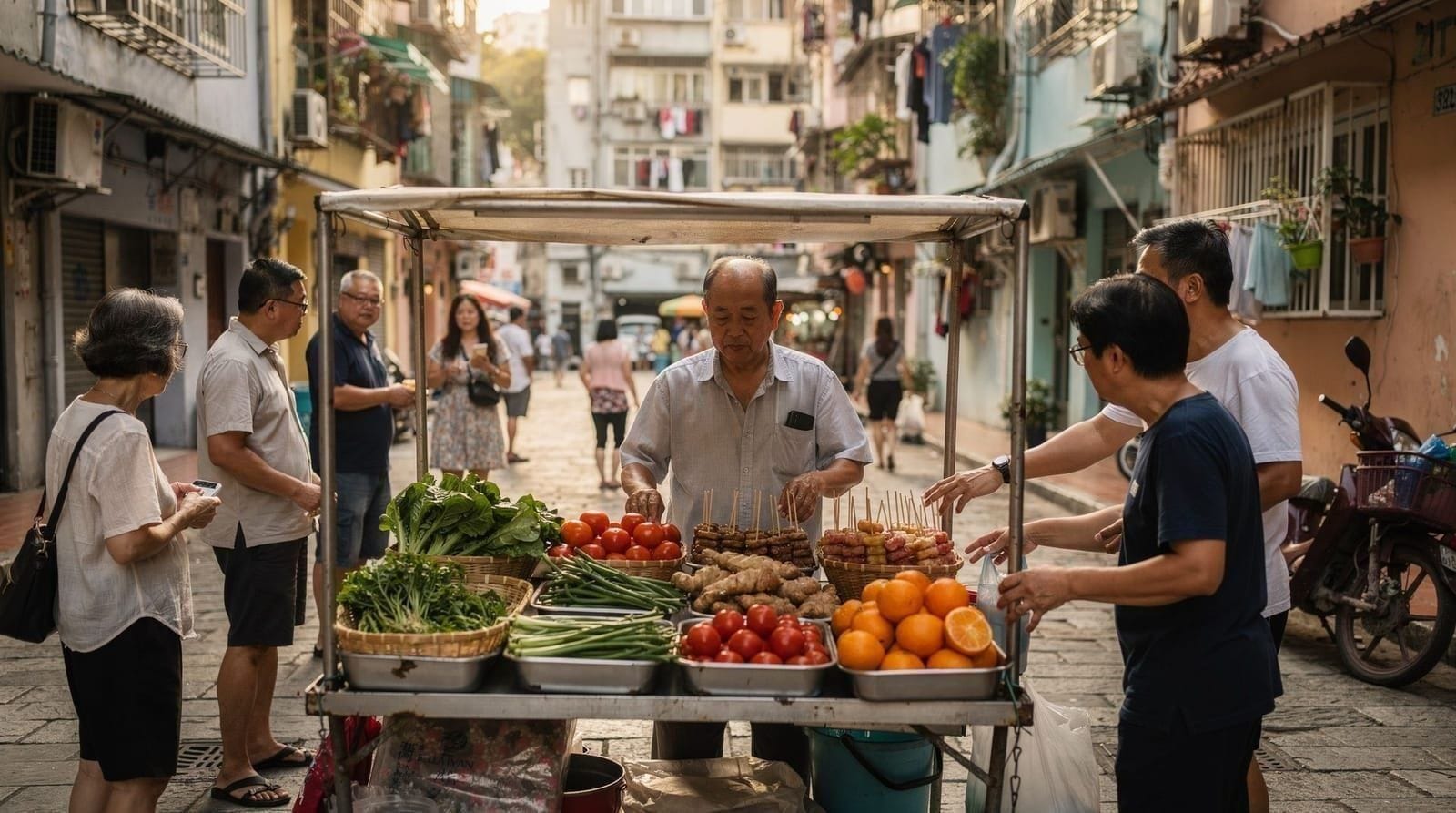
What to do instead: Eat outside the casino buildings whenever possible. Macau has a remarkable density of good cheap food within a 10-minute walk of any major casino. The Macanese cuisine guide covers the street food and local restaurant scene in detail, and Macau street food is a better introduction to the city’s food culture than anything served inside a casino.
6. Overpriced egg tart vendors
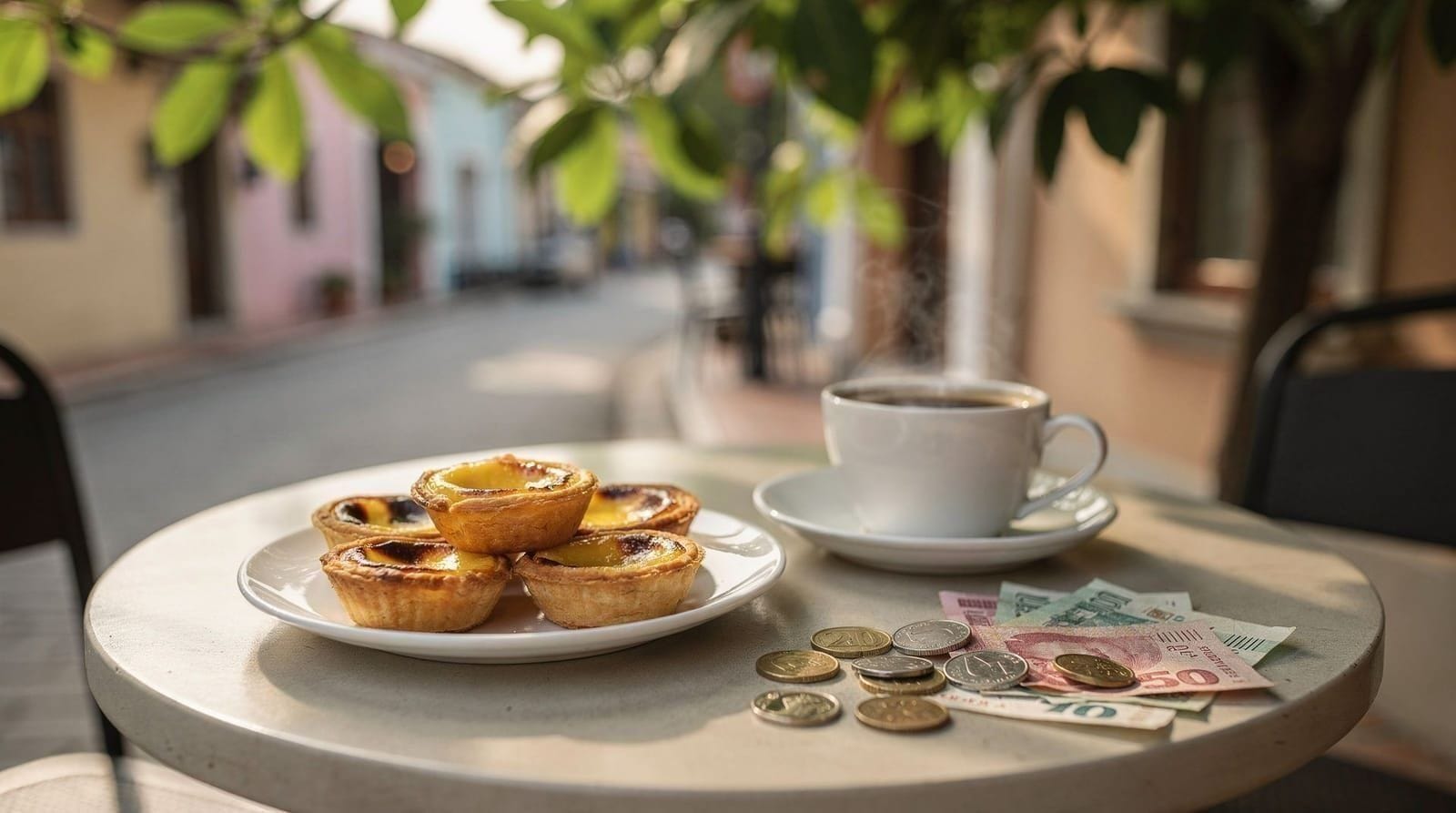
Macau’s egg tarts are genuinely one of the best things you can eat in the city. Lord Stow’s Bakery in Coloane Village is the original — founded by British baker Andrew Stow in 1989 — and a single tart costs MOP 11-12 (USD 1.40-1.50).
In the streets around Ruins of St. Paul’s, copycat vendors operating under similar names charge MOP 20-25 per tart for a noticeably inferior product: less flaky pastry, less rich custard, frequently reheated rather than fresh.
What to do instead: Make the trip to Coloane. It takes about 20-25 minutes by taxi from the Peninsula (MOP 40-55/USD 5-7) and Coloane Village is genuinely pleasant — quiet, Portuguese-influenced, far from the casino crowds. Margaret’s Café e Nata on Rua do Almirante Sergio (Macau Peninsula) is another legitimate option with a shorter queue than Lord Stow’s and tarts of comparable quality.
Money traps: exchange rates and financial sleight of hand
7. Money changers with deceptive rates
The “0% commission” signs at exchange booths in tourist areas are not illegal, but they are deliberately misleading. Commission is zero; the margin is built entirely into the exchange rate. A booth advertising “0% commission” might offer you MOP 7.82 per USD 1 when the mid-market rate is MOP 8.05. That’s a 2.9% markup on every dollar you exchange — structurally identical to charging 2.9% commission, just less visible.
Some booths are worse. Tactics include showing an attractive rate on a display board that applies only to very large transactions (MOP 50,000+), then applying a worse rate to normal amounts. Always confirm the rate you’ll actually receive before handing over any money.
What to do instead: Use ATMs from Banco Nacional Ultramarino (BNU) or ICBC — both have branches throughout Macau and charge transparent foreign transaction fees rather than hiding costs in the rate. Your home bank’s foreign transaction fee (typically 1-2.5%) is usually comparable to or better than exchange booth margins. HKD is accepted at near-parity throughout Macau (roughly 1 HKD = 0.97-1.00 MOP), so if you have leftover Hong Kong dollars from a trip from Hong Kong, use them directly.
For a full breakdown of money handling in Macau, the Macau travel budget guide covers typical costs and best payment methods.
8. Casino chip tricks
Inside and immediately outside casino buildings, you may be approached by someone offering to sell casino chips at a discount — “I need cash quickly, I’ll sell you MOP 1,000 chips for MOP 800.” The story varies but the offer is always some version of this.
Do not engage with this under any circumstances. The chips are either counterfeit, or the offer is the opening move of a longer confidence scam, or the chips are stolen and you’ll be unable to redeem them. Casino chips are not currency and cannot be spent anywhere except at the issuing casino’s gaming tables and cashier.
What to do instead: Buy chips exclusively at the official casino cashier. Bring only what you plan to spend. The Macau casinos guide covers the basics of navigating casino floors for non-gamblers and visitors who just want to look around.
9. “Winning system” sellers
Inside casinos and sometimes in the streets around them, individuals approach offering “guaranteed winning systems,” lucky charms, or insider tips for MOP 200-500. This is a scam with no exceptions. Macau’s casinos — like all casinos everywhere — have a mathematical house edge on every game. No system or charm changes this. The sellers’ income comes from selling the system, not from using it.
Shopping and activity traps
10. Photography “fees” at temples and heritage sites
At some smaller heritage sites and temples, unofficial individuals approach visitors and demand payment before you photograph anything, or request a “donation” tied explicitly to photography. This is not official policy at any of Macau’s UNESCO-listed heritage sites.
A-Ma Temple, Guia Fortress, the Church of St. Dominic, the Mount Fortress and Macau Museum — none of these charge photography fees for individual visitors. The Guia Fortress and Lighthouse and A-Ma Temple are free to enter and free to photograph.
What to do instead: Politely decline and continue. If anyone becomes aggressive, note their appearance and location and report to the nearest police post. Macau’s heritage sites are generally well-monitored.
11. “Authentic” Portuguese wine and product markups
The streets near the historic district have a cluster of shops selling Portuguese wines, olive oils, and preserved foods at prices positioned as authentic European imports. Some of these shops are fine. Others mark up products significantly compared to what you’d pay at a local supermarket.
What to do instead: For Portuguese wine and groceries, check ParknShop or CitySuper in the major shopping centres. Prices are consistent and marked clearly. If you want a genuine speciality product, the shop Pastelaria Koi Kei on Rua do Cunha has honest pricing on Macanese pastries and preserved goods that you can’t easily find elsewhere.
What honest Macau travel looks like
Avoiding these traps doesn’t require suspicion of everyone you meet. The vast majority of interactions in Macau are straightforward. The traps cluster in specific locations and follow recognisable patterns — ferry terminals, the immediate vicinity of major tourist sites, and financial transactions without clear pricing upfront.
A few practical rules that cover most of the risk:
Pre-book transport and tours digitally before you arrive. This eliminates the pressure to make decisions at ferry terminals where you’re tired and disoriented. Use ATMs or bank branches for currency, not street-facing exchange booths. Eat one or two blocks away from any major tourist attraction. Know that all legitimate services in Macau have prices — nothing is genuinely free from a stranger at an arrivals gate.
Macau on a reasonable budget is a genuinely excellent destination. See the Macau on a budget guide for what honest costs look like, and is Macau worth visiting for a realistic assessment of what the city offers beyond the casino floor.
The Macau day trip from Hong Kong guide covers the ferry and border crossing process if you’re arriving from Hong Kong, which is where most first-time visitors start.
For the full picture on taxi and financial scams with complaint procedures and specific amounts, the companion guide to Macau taxi and money scams has everything you need.
Frequently asked questions about Macau tourist traps to avoid (and what to do instead)
Are there touts at Macau's ferry terminals?
Yes, at both the Outer Harbour terminal (Macau Peninsula) and the Taipa ferry terminal you will encounter touts offering free tours or discounted combo deals. These bundles include mandatory stops at jewellery shops and traditional medicine stores where you face intense sales pressure. Decline politely and pre-book any tours you want before arriving.Is food near Ruins of St. Paul's overpriced?
Significantly so. A bowl of noodles that costs MOP 30-40 (USD 4-5) in a local restaurant costs MOP 80-120 (USD 10-15) on the tourist strip immediately around the Ruins and along Rua do Cunha in Taipa. Walk 5-10 minutes in any direction to find honest local pricing.Are Macau's money changers safe to use?
Some are fine; others are deceptive. The '0% commission' signs are legal but misleading — the profit margin is baked into the exchange rate, not charged as a separate fee. Compare any offered rate against Google's mid-market rate. For the best rates, use ATMs from Banco Nacional Ultramarino (BNU) or ICBC, or exchange at a licensed bank.Are the casino free shuttle buses genuinely free?
The legitimate casino-branded shuttles running from ferry terminals and the border are completely free. Touts sometimes try to charge for them or redirect you to paid alternatives. Identify the genuine shuttle by the official casino branding and fixed stop locations — do not hand money to anyone claiming to manage boarding.Do Macau's temples charge photography fees?
No official temple in Macau's UNESCO heritage circuit charges individual photography fees. A-Ma Temple and Guia Fortress are both free to photograph. If someone approaches you demanding payment for photos or a 'donation,' they are not official staff. Politely decline and move on.Where should I buy egg tarts in Macau?
Lord Stow's Bakery in Coloane Village is the original; one egg tart costs MOP 11-12 (USD 1.40-1.50). Copycat vendors near Ruins of St. Paul's charge MOP 20-25 for a noticeably inferior product. The trip to Coloane takes about 20-25 minutes by taxi and is worth it both for the tart and the village itself.Is it safe to buy casino chips from street sellers?
No. Never buy chips from anyone except at the official casino cashier. Street sellers offering chips at a discount are either selling fakes, moving stolen chips, or setting up a larger confidence scam. This applies inside and outside casino buildings.What should I do if I think I've been scammed in Macau?
For taxi scams, call the DSAT hotline at 28 866 363 and keep your receipt (legally required). For money exchange disputes, you have limited recourse if you already completed the transaction — prevention is the only real protection. For any serious incident, Macau's Public Security Police can be reached at 999.Are Macau's casinos themselves a tourist trap?
No — the casino floors operate on transparent, published odds and are not a scam, just a business with a mathematical house edge like any casino worldwide. The traps sit around the casinos (chip sellers, 'winning system' hawkers), not inside the licensed gaming operation itself. See the Macau casinos guide for how to visit without being exploited.Is Macau safe for solo travellers avoiding these traps?
Yes. None of the traps in this guide involve violence or personal danger — they are financial pressure tactics that a firm 'no thank you' defuses. Solo travellers should apply the same rules as anyone else: pre-book transport, avoid street money changers, and walk away from unsolicited offers near ferry terminals and casinos.